Closing the scope gap at commercial facade transitions
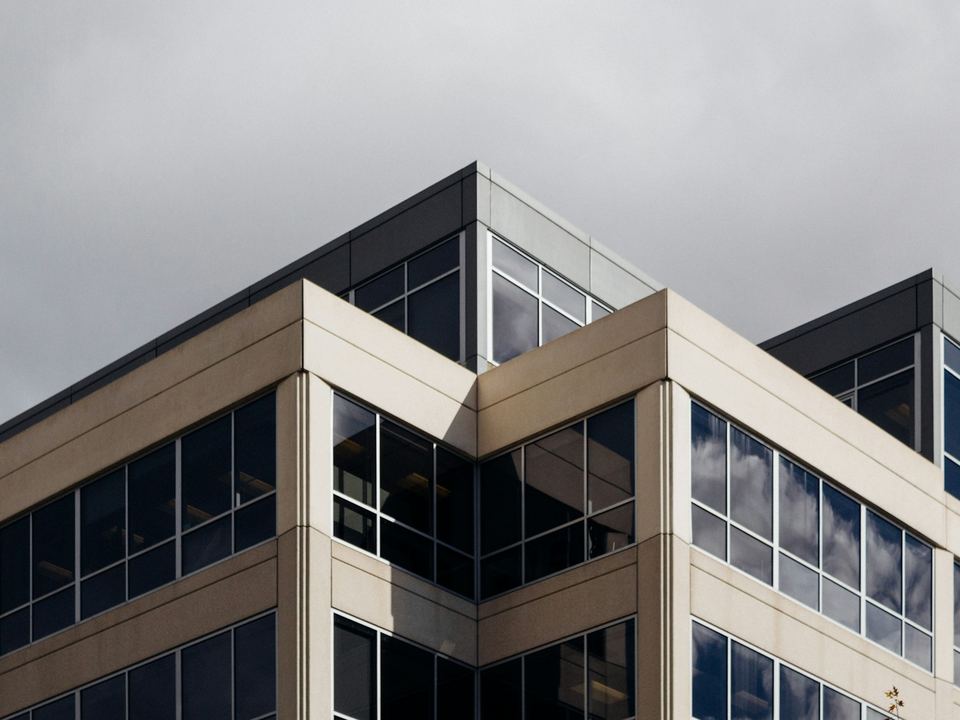
Most exterior wall leaks start between trades rather than in the middle of a cladding panel. When one subcontractor sets storefront frames, another applies the sheathing membrane, and a third installs masonry, stucco, or metal trim, perimeter caulk joints and transition flashings frequently sit in a gray area between contracts. Packaging above-grade waterproofing, transition flashings, joint sealants, and architectural wall coatings with one exterior envelope subcontractor keeps water management under single-source field responsibility from mockup to closeout.
Our scope covers above-grade building envelopes across Albany, Schenectady, Troy, Saratoga Springs, Clifton Park, Glens Falls, Kingston, Hudson, and Oneonta, including window and louver perimeters, masonry and precast control joints, cladding-to-roof intersections, parapet transitions, and exposed masonry or EIFS facades. We do not perform below-grade foundation excavation waterproofing or low-slope roof membrane replacement, which lets our crews focus strictly on vertical walls and transitions.
Joint geometry, backer rod, and clean substrate prep
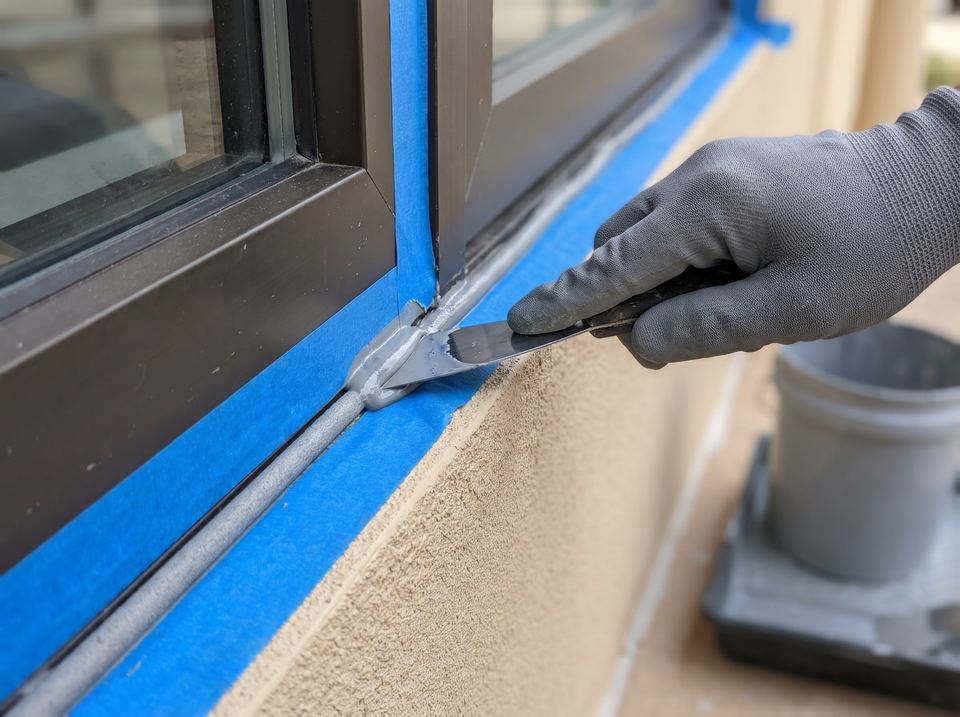
Commercial sealant joints fail early when installers smear fresh caulk over brittle existing material or pack sealant full-depth into a gap without a bond breaker. Three-sided adhesion locks the sealant bead to the back of the joint so normal thermal movement in aluminum frames, masonry, or EIFS panels tears the bead down the center during winter cold snaps.
On recaulking and restoration jobs, our own crews cut out failed urethane or silicone, grind or clean joint walls back to bare masonry, primed metal, or sound cladding returns, install closed-cell or soft-rod backer to set proper hourglass depth, and tool low-modulus silicone or polyurethane sealant cleanly against masking lines. On commercial EIFS buildings, joint prep requires special care: perimeter sealant must bond to base coat and embedded reinforcing mesh wrapped into the return, never directly onto textured acrylic finish coat, which softens when damp and peels away from the wall. For new construction, we coordinate fluid-applied air and water barriers and sill flashings with the outer sealant line so interior air seals and exterior rain shedding work together without trapping water inside the rough opening.
Flashing upgrades and breathable exterior coatings
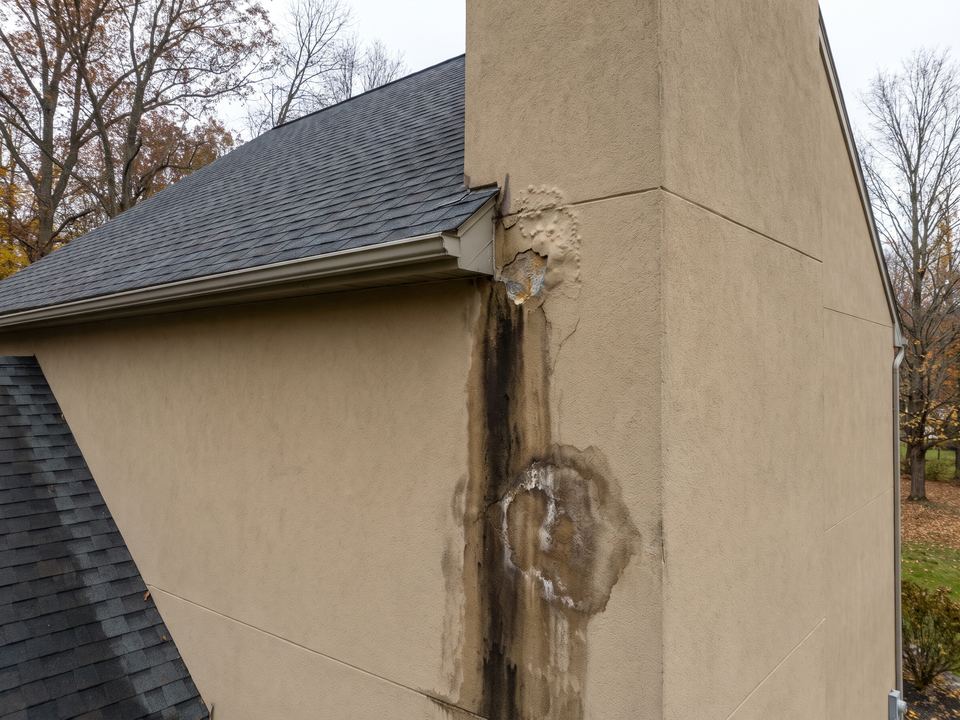
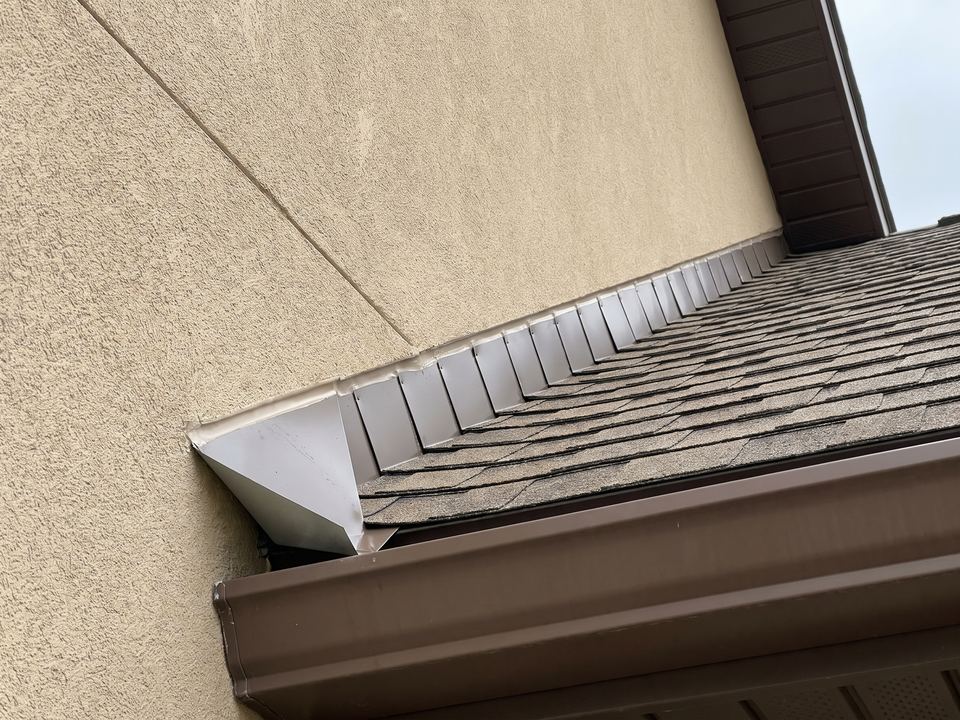
Where horizontal bands, cornices, or canopies hold standing snow and ice, sealant alone cannot keep water out of the wall. Adding sloped metal drip caps with hemmed drip edges, kick-out diverters at roof-to-wall step intersections, and properly lapped sill flashings sheds runoff clear of the facade, work our team handles regularly, from an EIFS band repair with a new drip cap at a home in Schenectady in 2026 to our public-contract EIFS canopy refinish at Casey Stadium, University at Albany in 2026.
When aged EIFS, cement stucco, or split-face and smooth concrete masonry develops hairline craze cracks and color fade, we apply breathable elastomeric or mineral-silicate architectural coatings after patching defects. In Capital Region freeze-thaw weather, vapor permeability is critical: rolling an impermeable film over masonry or plaster traps outward-moving interior vapor behind the skin until frost blisters the coating off. Estimator packages sent through our bid intake page receive clear inclusions for primer requirements, manufacturer color submittals, adhesion pull mockups where specified, and access from lifts or our own pipe and frame scaffolding. Sealant and coating installation requires dry surfaces and temperatures around 40 °F and rising with no freezing for 24 hours.